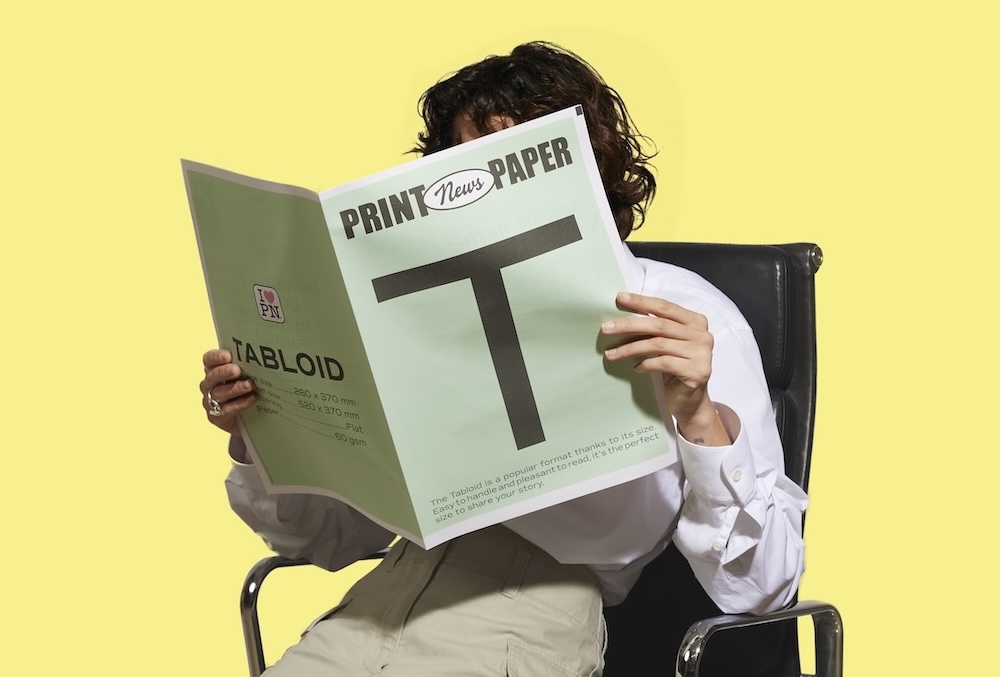
Tabloid
The classic newspaper format, the most popular.
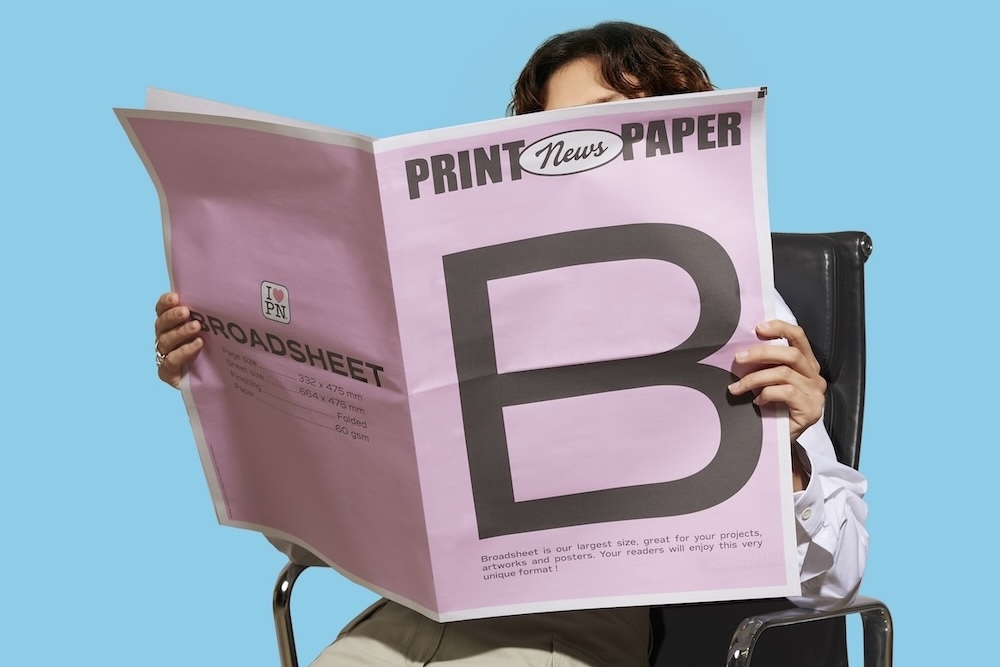
Broadsheet
Large-format newspaper, ideal for impact.


Tabloid
The classic newspaper format, the most popular.
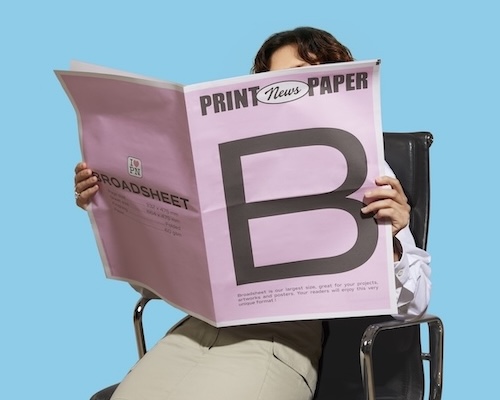
Broadsheet
Large-format newspaper, ideal for impact.

Blog
How to design, size and print table numbers that stand up on the table.
Table numbers look like a detail. In reality, they are one of the first visual elements your guests see as they walk into the room, and they are what lets people find their seat without asking six other guests. Badly designed, they create confusion and a DIY feel. Done well, they extend your visual world and take pressure off the organisation. Here is how to design them, which format to choose, and how to print them for a result that stands up on the table.
Three concrete reasons.
Guiding your guests. Numbering that is legible from 5 or 6 metres away prevents crowding at the entrance and repeated questions. The further away a number can be read, the more smoothly seating happens, without pressure on the organisers.
Visual consistency. Table numbers are seen at the same time as menus, place cards and the wedding newspaper if you have one. If all of these share the same typography, colours and graphic hierarchy, your decor moves up a notch with no extra effort.
Personalisation. A table number is a tiny format, yet endlessly customisable. A table name (a city, a flower, a chapter of your story), a matching photo, a short anecdote on the back: this micro-format carries little touches that larger pieces do not naturally hold.
Three families of formats work for table numbers, with very different effects.
Card format (A5 or A6). Discreet, laid on the table, it complements a floral arrangement. Visible up close, hard to read from the entrance. This is the classic wedding-stationery format. Ideal if your centrepiece (floral composition, candelabra) already plays a strong visual role.
Folded A4 or a card stand. Legible from 3 or 4 metres. This is the most common in-between format, placed at the centre of the table on a wooden or metal holder. A fair compromise between visibility and discretion.
Tabloid or broadsheet format. The large press format, legible from the entrance. Printed on 60 gsm newsprint, folded and set on an easel, it works at once as a highly visible table number, a decorative element and a reading object (on the back, you can tell why this table carries its name, or print a column from your newspaper). Maximum impact, and perfect consistency with a wedding newspaper if you print one.
The number alone, large and typographic. A huge figure (200 to 400 pt), a strong typeface, two colours maximum. Understated, elegant, instantly legible. A good fit if your decor is already busy and you want graphic simplicity.
The number + a theme (city, flower, travel). Each table carries a themed name alongside its number: Paris, Lisbon, Tokyo if you have travelled as a couple; rose, peony, lilac for a floral theme; 2018, 2019, 2020 for the milestone years of your story. A small pictogram or illustration accompanies the number. This is the most customisable and memorable version.
The number + photo. On a large format (A4 and up), a full-page photo with the number built into the design. Ideal for a "couple's life" theme, where each table carries a meaningful photo. It requires a lot of photographic material, to be planned several weeks ahead.
Depending on the format you choose, you have two families of solutions, each with limits to know.
Home or copy-shop printing. Possible for A4 or A5 formats. Common home printers do not go beyond A4 and cannot handle press formats. On quality, the result is fine for small-format stationery seen up close, but colours are not stable over time and office paper will not hold up standing in summer heat for more than a few hours.
Professional press printing. Essential for the large tabloid or broadsheet format, which mainstream printers do not offer. Industrial presses use FSC- and PEFC-certified 60 gsm matte paper, with automatic finishing (clean folding, no staples or glue). This is the option that produces the "real newspaper" effect on a large-format table number, and the only one that lets you combine table numbers and a wedding newspaper in a perfectly homogeneous visual world.
Simple rule: one number per table, plus 1 spare of each number (in case one is stained or lost during setup). For a 10-table wedding, order 20 units. For a 20-table wedding, 30 units. The marginal cost of a few extra copies is negligible and spares you needless stress on the day.
If you print a wedding newspaper alongside the numbers, two links work particularly well. The first: create a "why your table carries this name" section in the newspaper, giving a two-line origin for each name ("Lisbon table: the city where we got engaged"). The second: use the same graphics (typography, colours, illustrations) across the numbers and the newspaper, which creates a visual-collection effect. To go further, some press printing options let you coordinate both pieces in a single order, bundling them into the same delivery.
Numbers too small. The most common mistake. If your number can't be read from 3 metres, it fails its main job. The simple test: set the printed mock-up 3 metres away, in reception-room lighting. If you have to squint, it's too small.
A stand that falls over. 80 gsm paper set upright with no support collapses at the first draught. Choose a format that folds into an easel, or plan for a wooden or metal holder.
Numbers that contradict the seating plan. A classic error: you planned table 7 but it's called "Tokyo" on the number, and the seating plan says "Tokyo (table 7)". If you mix name and number, keep it consistent across every piece, otherwise guests spend ten minutes working out where they sit.
Misjudging the number of tables. The table count is often finalised late. Anticipate likely adjustments: order with a margin of 2 extra tables you may not use, rather than having to place another order 10 days before the wedding. For pieces like the schedule, the logic is the same: plan a margin rather than chasing a missing run.